Albania

Facts about Albania
- Total area: 28,748 sq. km, coastline 362 km
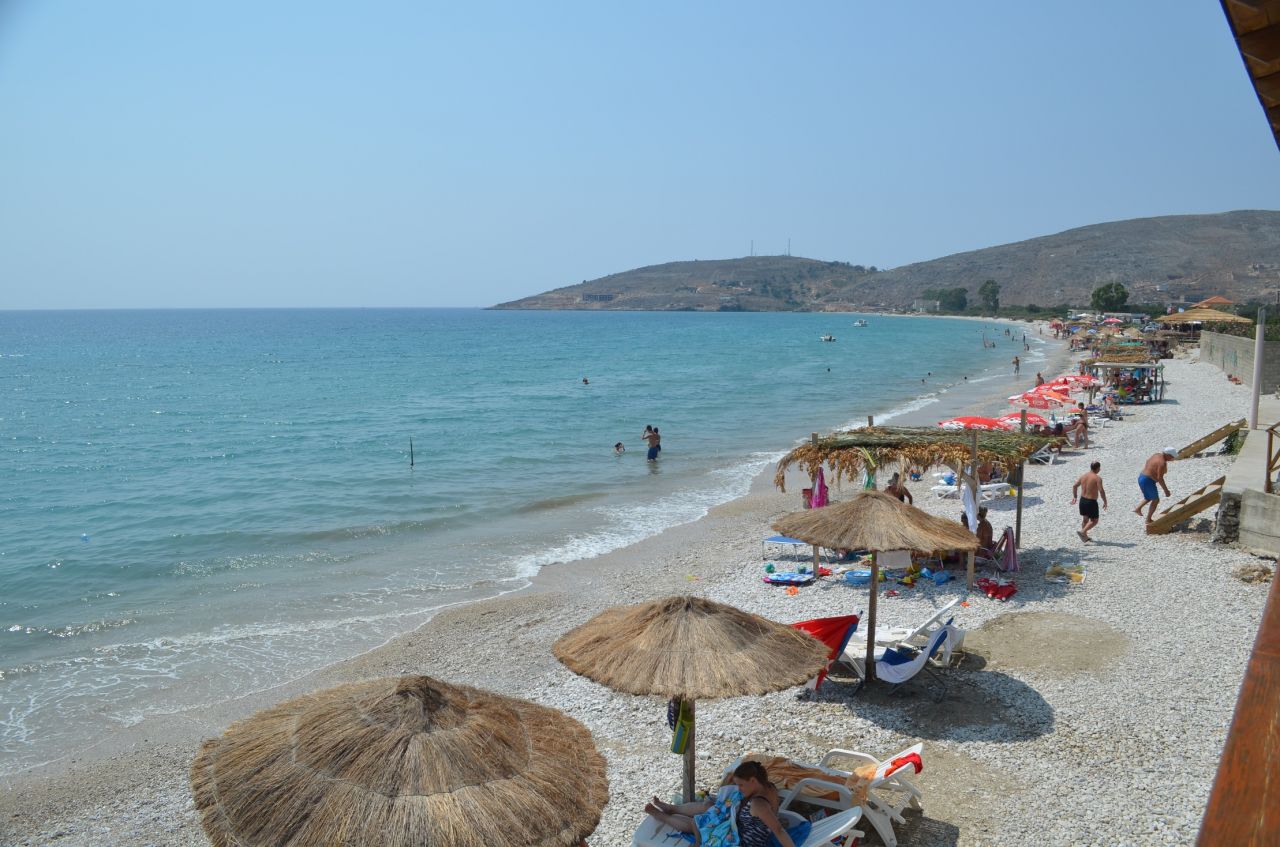
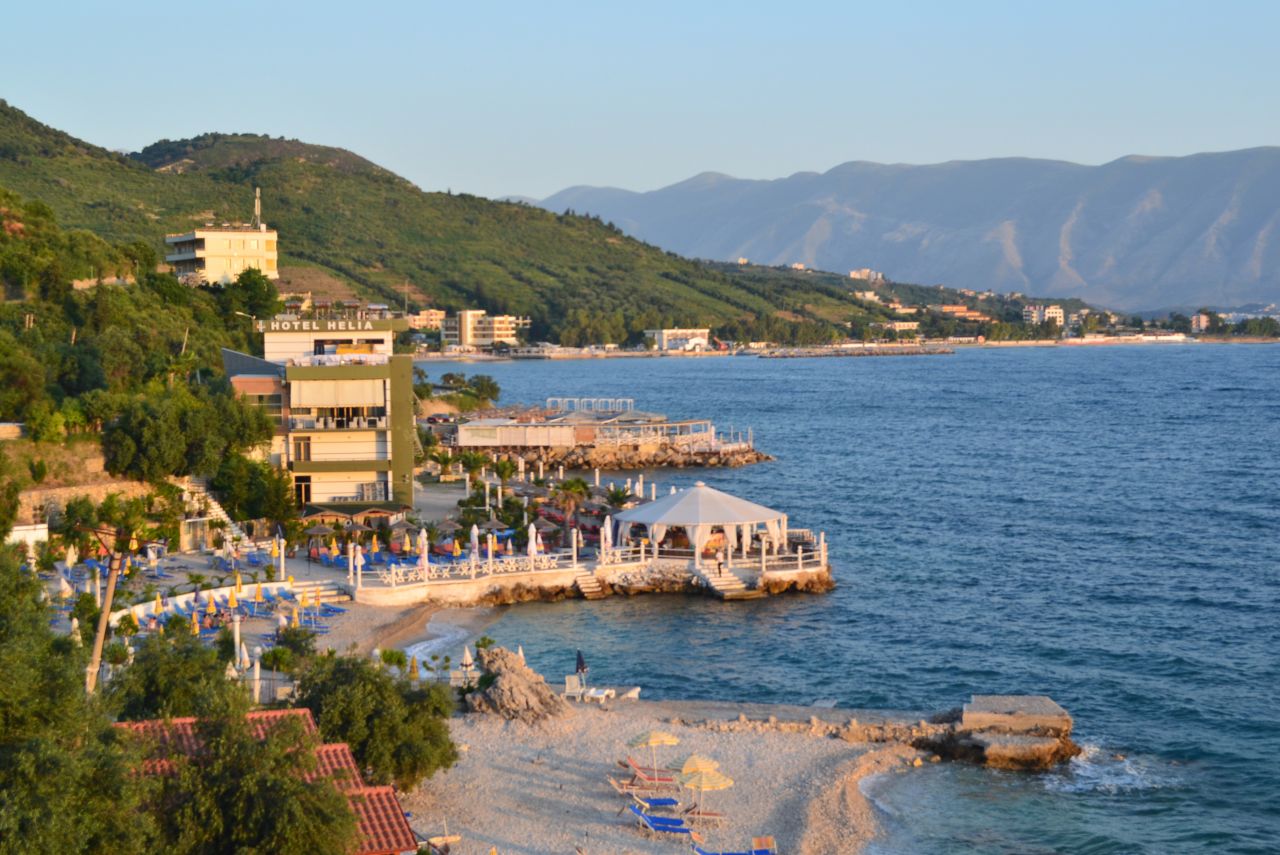
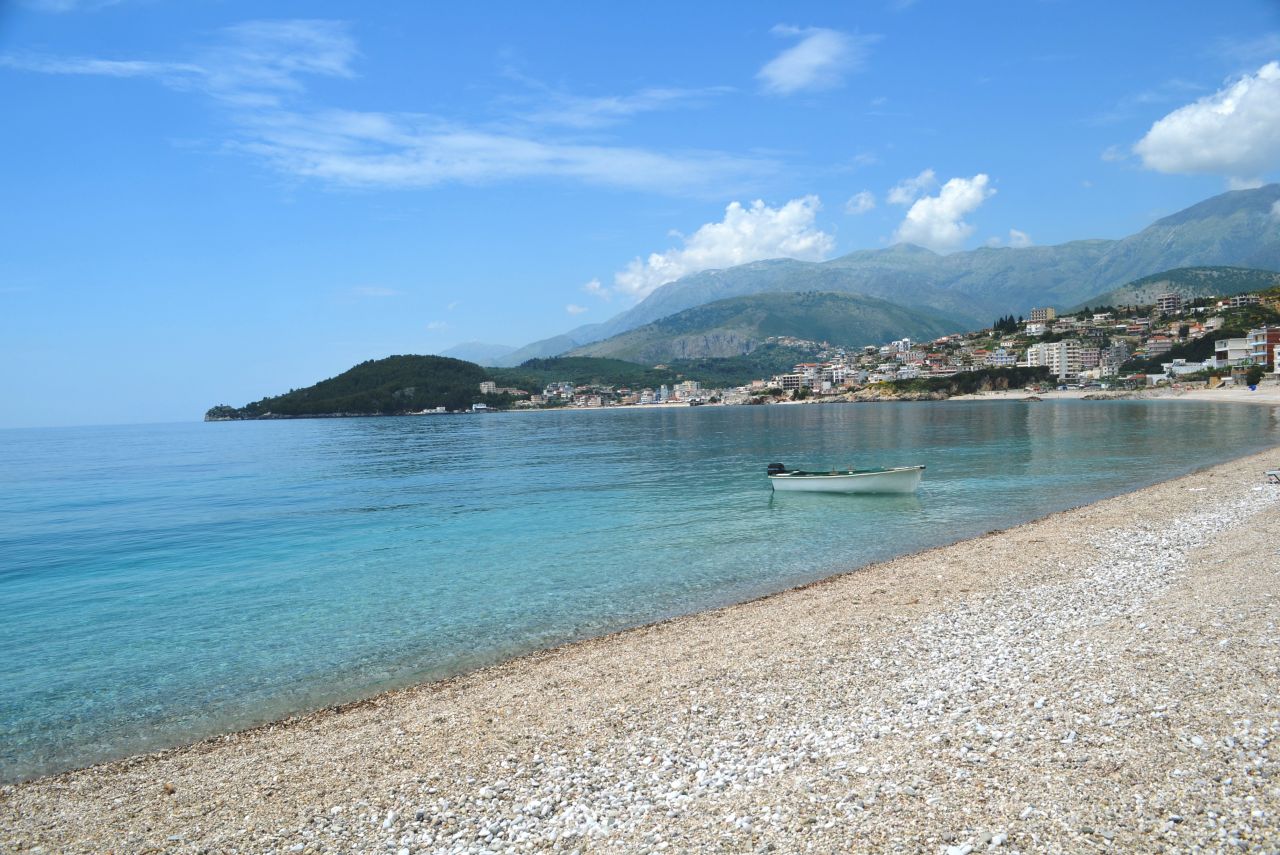
- Coastline bordering the Adriatic and Ionian Sea
- System of government: Parliamentary democracy
- Head of State: President, elected by parliament every five years
- Currency: Albanian Lek (ALL)
- Official Language: Albanian
- International telephone prefix: + 355
- Population: 3.64M (est. July, 2009)
- Median age ~ 30 years
- Life expectancy at birth 78 years
- Albanian capital: Tirana with 850K – 900K inhabitants
- Member NATO - April-2009
- Albania to become a member of the EU by 2014-2015
- An agreement was signed in 2006 to enter into the EU Association process, and pending ratification from the 25 member states
Albanians in:
- Kosova (88%) =>1.87M
- Macedonia (25 %) => 0.52M
- Total Albanians in the region ~ 6 million
Natural resources:
- Mining: chromium, copper, iron ore, nickel, bauxite
- Petroleum, natural gas, coal
- Limestone, salt, timber
- Water
Currency

The Albanian monetary unit is called "Lek". The currency floats freely but is quite stable: at the time of writing exchange is about 130 leke to the euro, about 100 leke to the US dollar. Most boards exhibit the current exchange rate on the right side of the screen. On the rate boards in banks and exchange offices (kambim valutor) the initials ALL are sometimes used instead of the word “lek”.
History

The territories of Albania have been inhabited as early back as 100.000 years ago when an Indo - European population settled there. As the result of the mixture, a population incorporating the unique cultural and linguistic characteristics of the whole Balkan Peninsula (pelages) was created. Based on this ancient population, the Illyrian people were developed through the second millennium and the first century B.C.
The country has suffered continuous invasions over the last 1000 years
- 1912 - independence proclamation from the Ottoman Empire.
- 1912-1928 - the country was attacked by neighboring countries.
- 1928-1939 - the country was occupied by Mussolini forces
- 1943 - the armies of Hitler occupies the country.
- 1944 - The Communist party took power and a totalitarian regime was established under the communist leader Enver Hoxha,.
- 1991 - the country finally emerged from isolation.
Albania has an incredibly hospitable culture and has its own particular traditions of courtesy. They are very closely related to the notion of hospitality, a notion similar to that of the sacred guest from Homer and classical literature. Many Albanian traditions of hospitality come from The Kanun, or "The Code", a 15th-century text written by the powerful Dukagjin clan, although many of the laws written in the code date from earlier times.
Economic

Exchange rate (26 March, 2011)
- EUR/ALL 139
- USD/ALL 104
- EUR/USD 1.34
The budget deficit is fund 87% by domestic financing (Treasury Bills, Bonds, Credit, Privatization receipts) and 13% foreign financing
- Interest rates on BoA's Instruments ALL, REPO 5.25%
- Annual yield for government bonds at the latest auctions are:
- 3 December 2009, 1 Y bond, 9.24%
- 17 November 2009, 2 Y bond, 9.60% (fix coupon)
- 1 October 2009, 3 Y bond, 9.90% (fix coupon)
- Foreign Exchange Reserve at the end of 2008 marked the level of 1,695 million EUR, enough to cover 4.2 months of imports of goods and services
- January-October 2009 the trade deficit is 266,427 million LEK (2,050 m EUR).
- Flow of goods in foreign trade
- Export (FOB): 103 b lek
- Import (CIF): 431 b lek
- Trade balance: -328 b lek, coverage indicator 23.9%
Links about Albania indicators:
Albania Property Guide
Complete your details to download Albania Property Guide free of charge.